Medical Clinic & Therapist Office TSCM: PHIPA Compliance & Patient Privacy Detection (2026)
By Imperial Consulting Unit Inc. · Licensed PI · TSCM Certified
Medical Clinic & Therapist Office TSCM: PHIPA Compliance & Patient Privacy Detection (2026)
Ontario healthcare providers operate under a legal obligation that most security consultants overlook. The Personal Health Information Protection Act (PHIPA) places an explicit duty on every health information custodian — every doctor, therapist, psychologist, nurse, chiropractor, counsellor, and clinic administrator — to take reasonable steps to protect patient data. That obligation extends well beyond encrypted servers and locked filing cabinets. It covers the physical spaces where personal health information is discussed: consultation rooms, examination rooms, therapy offices, clinic waiting areas, and staff break rooms.
In 2026, PHIPA enforcement reached a new threshold. Ontario's Information & Privacy Commissioner (IPC) received expanded powers to impose substantial administrative monetary penalties against both individuals and organizations for deliberate contraventions. For clinic owners and therapists, this means a hidden microphone in a consultation room is no longer merely a privacy embarrassment — it is a compliance failure with measurable legal and financial consequences. This guide covers the PHIPA security framework, the specific threat model for Ontario clinics and therapy practices, and what a professional Technical Surveillance Countermeasures (TSCM) sweep involves when patient privacy is at stake.
If you manage a clinic or private practice in Toronto or anywhere else across Ontario, book a confidential consultation with our TSCM team to assess your current exposure before your next compliance review cycle.
Why Ontario Healthcare Providers & Therapists Face Elevated Eavesdropping Risks
The healthcare setting creates a uniquely attractive environment for covert surveillance. Consultation rooms contain some of the most sensitive conversations that occur anywhere: mental health disclosures, addiction histories, relationship trauma, terminal diagnoses, and intimate details that patients share under an absolute expectation of privacy. That information has value — to estranged spouses, insurers seeking to deny claims, employers looking to dismiss staff, or parties engaged in adversarial litigation.
Therapist offices carry a heightened risk profile. A psychotherapist or psychiatrist's office in a multi-tenant professional building typically shares ventilation shafts, false ceilings, or wall cavities with adjacent tenants. Ground-floor practices face window-directed microphone risks from the street or parking lot. In shared-resource clinical environments — where cleaning staff, maintenance contractors, and equipment vendors cycle through outside of business hours — the surface area for a covert device installation grows substantially.
Ontario's healthcare workforce includes approximately 50,000 therapists, counsellors, psychologists, and psychiatrists, along with more than 150,000 nurses and allied health workers, and over 100,000 clinic administrative staff. Every one of these professionals is, to some degree, a health information custodian under PHIPA. For those in private practice or small clinic settings, the physical security infrastructure rarely matches the sensitivity of the information being protected. TSCM fills that gap.
PHIPA Section 12: Health Information Custodian Security Obligations in 2026
Section 12 of PHIPA requires health information custodians to take steps that are reasonable in the circumstances to ensure that personal health information (PHI) in their custody is protected against theft, loss, and unauthorized use or disclosure. The legislation does not prescribe physical security measures by name, but the IPC's adjudication history and published breach reports consistently identify physical security of information environments as a core baseline expectation.
Effective January 1, 2026, Ontario's Information & Privacy Commissioner gained enhanced enforcement powers, including the authority to impose administrative monetary penalties for deliberate or reckless contraventions. Individuals face penalties reaching into the tens of thousands; organizations face penalties reaching into the hundreds of thousands. Beyond administrative penalties, PHIPA provides a private right of action: a patient who suffers harm — including mental anguish — as a result of a custodian's failure to protect their PHI can pursue damages in Ontario Superior Court.
PHIPA also imposes a breach notification chain: when a privacy breach occurs, the custodian must notify the IPC promptly, and if the breach creates a real risk of significant harm to an individual, the affected patient must also be notified. Delayed or concealed breach disclosure carries its own separate penalty exposure. For clinic administrators and compliance officers, the implication is direct: a hidden recording device in a consultation room can trigger simultaneous regulatory, civil, and reputational consequences — all stemming from a single physical security failure.
A documented professional office TSCM sweep provides direct, contemporaneous evidence that a health information custodian took reasonable and proactive steps to protect the physical confidentiality of patient information environments — precisely the kind of record that supports a defence against a PHIPA breach allegation.
Medical Clinic Threat Model: Seven Ways Patient Privacy Can Be Compromised
A professional TSCM assessment of a medical clinic or therapy practice is designed to detect and document a range of covert surveillance threats. The following vectors are specific to the healthcare environment:
Hidden Microphones in Consultation Rooms and Therapy Offices
A miniature audio transmitter concealed inside a power strip, picture frame, smoke detector, or wall socket can broadcast real-time session audio to a receiver located within range. In 2026, RF-transmitting bugs have become sufficiently compact and inexpensive that a motivated actor — an aggrieved former partner, a litigation-motivated insurer, or a hostile co-tenant — can install one with minimal technical skill and no specialized tools. Therapist offices are disproportionately targeted because session content has direct value in family law disputes, employment matters, and insurance claims.
Pinhole Cameras in Waiting Areas, Examination Rooms, and Patient Bathrooms
Pinhole cameras embedded in clocks, artificial plants, ventilation grilles, or electrical outlets can record patient attendance, identity, and — in examination or washroom environments — highly intimate footage. These devices represent both a PHIPA breach and a potential Criminal Code violation under s. 162 (voyeurism), creating simultaneous regulatory and criminal exposure for the premises owner.
Rogue Access Points and Clinic WiFi Compromise
An unauthorized wireless access point planted in a server closet or installed by a vendor under the guise of a routine equipment call can mirror electronic medical record (EMR) traffic, intercept staff credentials, or exfiltrate patient files to an external server. Medical-grade networks that were not designed with threat modelling are particularly vulnerable to this attack vector, which leaves no physical trace and requires no re-entry to the premises after installation.
GPS Trackers on Staff Vehicles and Medical Equipment
Staff operating mobile clinics, home-visit services, or transporting patient records in personal or clinic vehicles may unknowingly carry GPS tracking devices installed by a hostile party. A vehicle GPS sweep is a prudent add-on for any clinic whose staff transport sensitive materials or who have reason to believe they are being monitored by a former employee, a litigant, or a competitor.
Insider Threats: Cleaning Services, Maintenance Contractors, and Equipment Vendors
After-hours access to clinic spaces is the most common vector for device installation. Cleaning crews, HVAC technicians, biomedical equipment vendors, and IT service providers all have supervised or unsupervised access. Effective TSCM programs include periodic sweeps timed to follow major contractor visits or staff turnover events — not only at lease commencement.
Eavesdropping on Therapy Sessions Through Shared Walls and Ceilings
In multi-tenant buildings, shared HVAC ducts, drop ceilings, and thin partition walls create acoustic pathways that do not require a transmitting device at all. Directional microphones pointed at an exterior wall from an adjacent tenant space, or contact microphones affixed to shared surfaces, can capture session audio from outside the clinic premises. A comprehensive clinic office TSCM sweep includes acoustic vulnerability assessment for exactly this threat vector.
Unauthorized Recording Devices in Patient Examination Rooms
Examination rooms present a particularly serious risk because patients are often in a physically vulnerable state. Unauthorized cameras or audio recorders installed in these spaces constitute among the most grave privacy violations under both PHIPA and the Criminal Code, and discovery after the fact exposes the clinic to patient lawsuits, regulatory sanction, and reputational harm that cannot be contained once media coverage begins.
Therapist-Client Confidentiality & Professional Liability Under Ontario Law
Ontario's regulatory colleges — including the College of Registered Psychotherapists of Ontario (CRPO) and the Ontario College of Social Workers and Social Service Workers (OCSWSSW) — impose explicit confidentiality obligations on their members. A therapeutic relationship depends fundamentally on the client's reasonable expectation that what is shared in session remains private. If a therapist's office has been compromised by a covert device — whether installed by a third party, a former patient, or a disgruntled staff member — the therapist may face college discipline, civil liability, and a PHIPA breach notification obligation simultaneously.
The liability calculus is straightforward: if the risk was foreseeable, and a reasonable mitigation was available and accessible, the failure to mitigate it is difficult to defend as prudent professional conduct. Clinic owners who employ therapists also carry vicarious liability risk. A hidden device discovered in a consultation room exposes not only the individual practitioner but the clinic entity — particularly when the discovery follows a pattern of inadequate physical security review.
For a practical look at how covert devices are discovered in professional environments and what early warning signs look like, our detailed guide to office bug sweep detection for Toronto businesses provides additional context relevant to any healthcare practice setting.
What a Professional Medical Clinic TSCM Sweep Covers
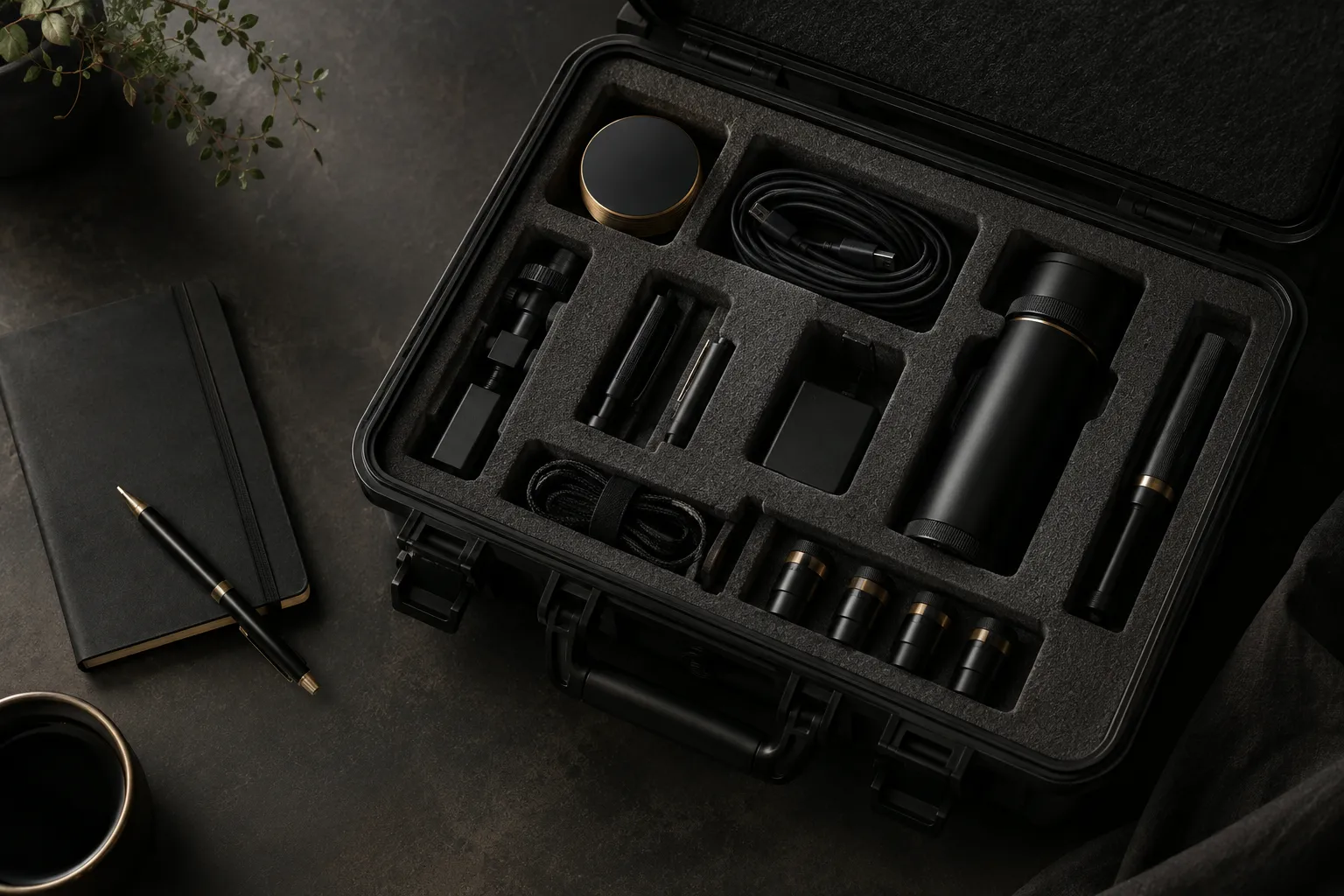
A medical clinic or therapist office TSCM sweep conducted by ICUnit follows a structured multi-phase protocol. Every engagement produces a written report documenting methodology, findings, equipment used, and remediation recommendations — in a format suitable for counsel, insurance carriers, regulatory bodies, and IPC response.
RF Spectrum Analysis and Non-Linear Junction Detection (NLJD)
RF spectrum analysis sweeps the full frequency range used by transmitting surveillance devices — from legacy VHF audio bugs through modern GSM, 3G/4G cellular, Wi-Fi, Bluetooth, and encrypted digital transmission bands. Any anomalous RF emissions identified in consultation rooms, examination rooms, waiting areas, or administrative offices are logged and investigated. NLJD (Non-Linear Junction Detection) sweeps probe for concealed electronic components within walls, furniture, fixtures, and structural elements — even when the target device is dormant and not actively transmitting. This technique, central to MESA RF Certified protocols, is particularly effective at detecting devices designed to activate on a schedule or via remote trigger command.
WiFi Security Audit for Healthcare Networks
Clinic WiFi environments require a dedicated audit layer beyond standard RF sweeping. ICUnit's WiFi security analysis identifies rogue SSID spoofing attempts, unauthorized access points operating within network range, and anomalous traffic patterns that may indicate EMR data exfiltration or credential harvesting activity. For clinics operating electronic medical records platforms — including provincially-integrated systems — this audit component directly supports the "reasonable steps" standard under PHIPA Section 12. Network findings are documented in the sweep report with specific remediation recommendations, providing a defensible compliance record. For clinics concerned about broader intelligence threats, our guide on warning signs that your office may be compromised covers additional indicators applicable to any professional setting.
Physical Inspection: Cameras, Microphones, and Hidden Devices
The physical inspection phase covers every surface accessible by contractors, vendors, or unauthorized personnel: ceiling tiles, electrical outlets, air vents, smoke detectors, clocks, artwork, furniture, and built-in cabinetry. Pinhole camera detectors identify lens reflections using a focused optical-frequency light source, scanning waiting areas, bathrooms, and examination rooms systematically. Audio-frequency analysis identifies concealed microphone elements. Thermal imaging detects anomalous heat signatures in walls and ceilings where powered devices may be embedded. For therapy practices in ground-floor or street-facing suites, TSCM scope can extend to external perimeter acoustic vulnerability assessment.
Clinic TSCM Service Options: One-Time Sweep vs. Recurring Membership
PHIPA Section 12 creates an ongoing obligation — not a one-time compliance checkbox. A covert device can be installed between sweep intervals. For this reason, ICUnit structures healthcare TSCM as both a standalone service and a recurring compliance program matched to the clinic's risk profile and budget cycle.
| Service Option | Best Suited For | Compliance Benefit | Cadence |
|---|---|---|---|
| One-Time Office TSCM Sweep | Solo therapist; new clinic tenant; post-incident response | Establishes baseline; single written report for compliance file | On-demand |
| Recurring TSCM Membership | Multi-room clinic; high-volume practice; active PHIPA program | Quarterly sweep report; documented security posture for IPC response | Quarterly or custom |
| Annual Compliance Audit | Multi-physician clinic; health network; group practice | Comprehensive PHIPA security documentation for annual review | Annual |
| Office + Vehicle Bundle | Mobile clinic staff; home-visit providers; executive medical team | Covers both premises and transport threat vectors in one engagement | Custom |
Pricing is custom — quoted privately after a confidential consultation. Scope, room count, network infrastructure complexity, and geographic location all inform the engagement structure. A recurring TSCM membership is particularly relevant for clinics that have undergone renovations, changed tenants in adjacent spaces, onboarded new contract cleaning or maintenance staff, or experienced a personnel dispute within the past year.
For clinics that employ staff who travel to patient locations or transport sensitive materials, an office and vehicle bundle addresses both the physical premises and the transport threat vector within a single engagement framework.
Why Choose ICUnit for Medical Clinic TSCM in Ontario
ICUnit is operated by a CAF Veteran, PSISA-licensed Private Investigator, MESA RF Certified technician, and TSCM Certified specialist. This credential stack is directly relevant in the healthcare compliance context: PSISA licensing establishes legal authority to conduct electronic surveillance detection in Ontario; MESA RF Certification validates the technical competency of RF detection equipment and signal interpretation methodology; TSCM Certification provides the structured, documented protocol framework that healthcare compliance and IPC response require.
ICUnit sweep reports are written for downstream use by counsel, compliance officers, insurance carriers, and regulatory bodies. They document methodology, equipment calibration, findings, and remediation recommendations in precise detail — not a one-page summary, but a record that can anchor a PHIPA defence, support a police report, or serve as evidence in civil proceedings.
"After fifteen years in private practice I had never seriously considered that my consultation room could be compromised. The ICUnit sweep found two RF-transmitting devices inside a ceiling fixture I would never have thought to check. The written report they provided was detailed enough for my regulatory college and my insurance carrier — and it was completed discreetly between patient sessions. This was 2026, and I am genuinely relieved it was discovered before a patient complaint." — Registered Psychotherapist, midtown Toronto
To understand the full scope of what a professional TSCM assessment involves before booking, see our overview of Technical Surveillance Countermeasures explained.
ICUnit Serves Healthcare Providers Across Ontario
ICUnit is mobile across Ontario, serving healthcare providers, therapy practices, and clinic groups in all major population centres:
- Toronto — highest concentration of private therapy practices, multi-physician clinics, and specialty healthcare facilities in the province; priority scheduling available
- Ottawa — government-affiliated health providers, federally-adjacent clinical practices, and capital-region clinics with elevated intelligence-community exposure
- GTA — Mississauga, Brampton, Vaughan, Markham, Richmond Hill, Scarborough, North York, and surrounding municipalities
- Hamilton — regional medical centres and academic health-science campuses
- Barrie, Kingston, Kitchener-Waterloo, Niagara — regional community health hubs and independent clinic networks
- Aurora, London — suburban and secondary-market practices where specialist TSCM providers are otherwise absent
Every engagement is conducted under a Non-Disclosure Agreement. Findings are reviewed verbally with the clinic principal before the written report is delivered. Sweep scheduling can be arranged so that appointments do not appear on shared clinic calendars or administrative logs, protecting operational confidentiality throughout the process.
Frequently Asked Questions: Medical Clinic TSCM & PHIPA Compliance in Ontario
Does PHIPA require clinics to conduct TSCM sweeps?
PHIPA Section 12 does not name TSCM sweeps specifically, but it does require health information custodians to take "reasonable steps" to protect personal health information from unauthorized access or disclosure. In 2026, the IPC's enforcement guidance and breach adjudications increasingly treat physical security of information environments as a baseline expectation. A documented TSCM sweep is direct evidence that a custodian took proactive, reasonable steps — particularly important if a breach allegation is later made by a patient or the IPC.
Is my office still at risk if it is in a shared professional building?
Yes — multi-tenant buildings are among the highest-risk environments for covert surveillance. Shared infrastructure including drop ceilings, ventilation ducts, and electrical panels creates access pathways between tenant spaces that do not require entry to your specific suite. Adjacent tenants, building maintenance staff, and after-hours contractors may all gain proximity to your space. ICUnit sweeps include inspection of shared-wall vulnerabilities, ceiling cavities, and accessible structural elements in addition to the visible room surfaces within your practice.
Can a therapist be held personally liable if a surveillance device is found in their consultation room?
Ontario's regulatory college obligations — for CRPO, OCSWSSW, and other health colleges — impose a personal confidentiality duty on registered practitioners. If a covert device is discovered and a client was recorded without consent, the therapist may face college discipline, a PHIPA breach notification obligation to the IPC, and civil liability to the affected client for damages including mental anguish. Demonstrating a documented history of proactive TSCM sweeps significantly strengthens a defence that reasonable steps were taken to protect the therapeutic environment.
How long does a therapist office TSCM sweep take?
A solo therapist office with one or two consultation rooms is typically completed within a half-day appointment. Multi-room clinics with network infrastructure, waiting areas, examination rooms, and administrative offices require a full-day or multi-day engagement depending on scope and room count. ICUnit schedules sweeps during off-hours or in gaps between patient sessions to eliminate disruption to the practice schedule. Advance planning is recommended; availability during evening and weekend hours can be arranged on request.
What happens if a device is found during the sweep?
ICUnit documents the device in situ — photographs, spectral log entry, and physical location recorded — and advises the clinic principal on immediate next steps before physical removal. Chain of custody is maintained to preserve the device's evidentiary value for police reporting, PHIPA breach notification, insurance claims, or civil proceedings. A written report is delivered after the engagement documenting the find, the methodology used to detect it, and specific recommendations for remediation and future sweep intervals.
Does ICUnit serve healthcare providers outside Toronto?
Yes. ICUnit is mobile across Ontario. Healthcare providers in Ottawa, Hamilton, Barrie, Kingston, Kitchener-Waterloo, Niagara, Aurora, London, and the full GTA are within regular service range. For multi-location clinic groups operating across Ontario, ICUnit can structure a portfolio engagement covering multiple sites within a single scheduling cycle — with one consolidated report covering all locations.
Stay Connected
Follow the ICUnit field log on LinkedIn for new Ontario threat intelligence and healthcare privacy updates, and read our Google reviews from past sweep clients across the province.
Get Your Free Quote Today
Ontario's PHIPA enforcement regime is active and the threat of covert surveillance in healthcare environments is real. Whether you operate a solo therapy practice or a multi-physician clinic network, ICUnit delivers a discreet, documented, and technically rigorous TSCM sweep that supports your PHIPA compliance posture and protects your patients' most sensitive disclosures.
Call: 905-955-7689
Or request a sweep quote online — confidential intake, no obligation.